

Grado Reference RS-2x
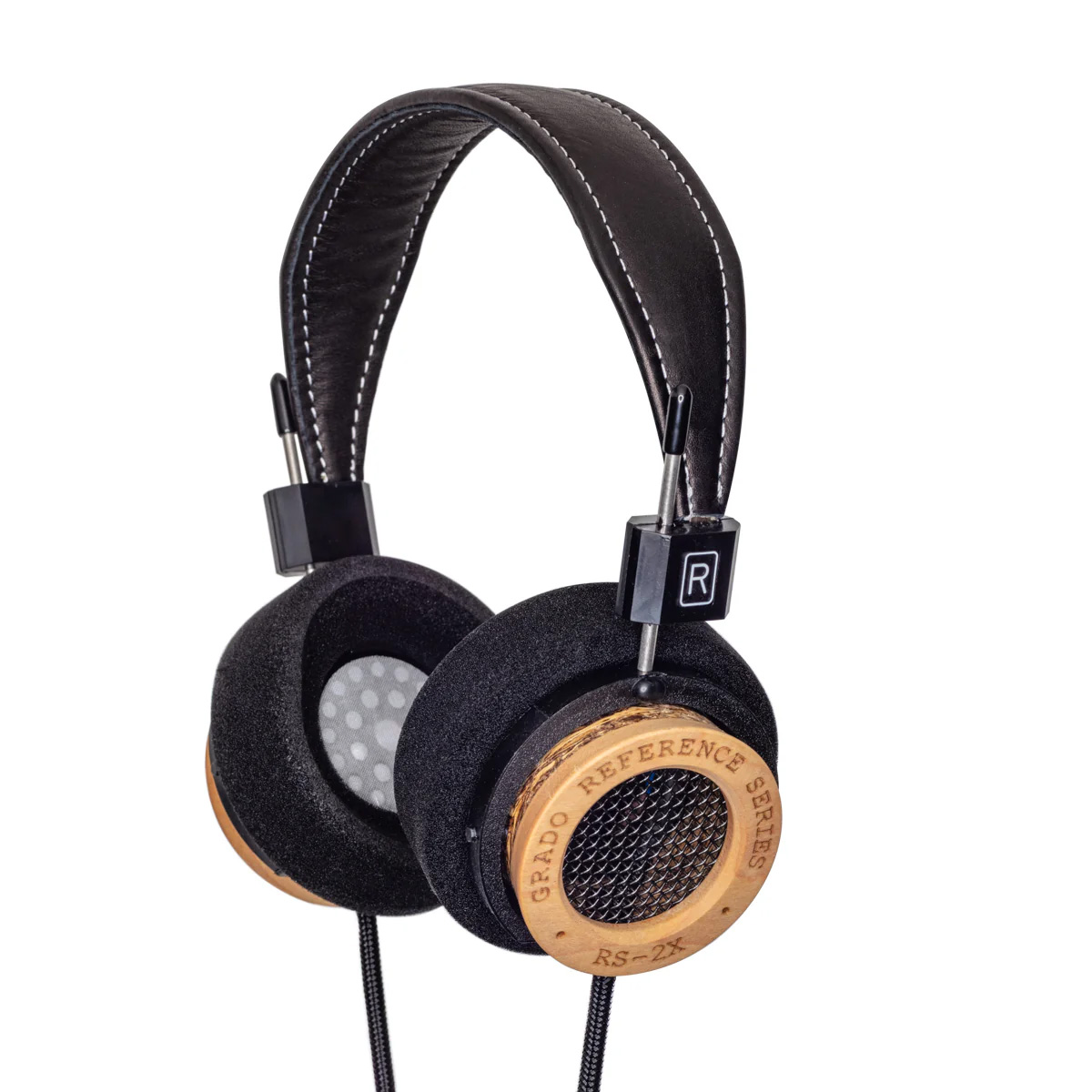
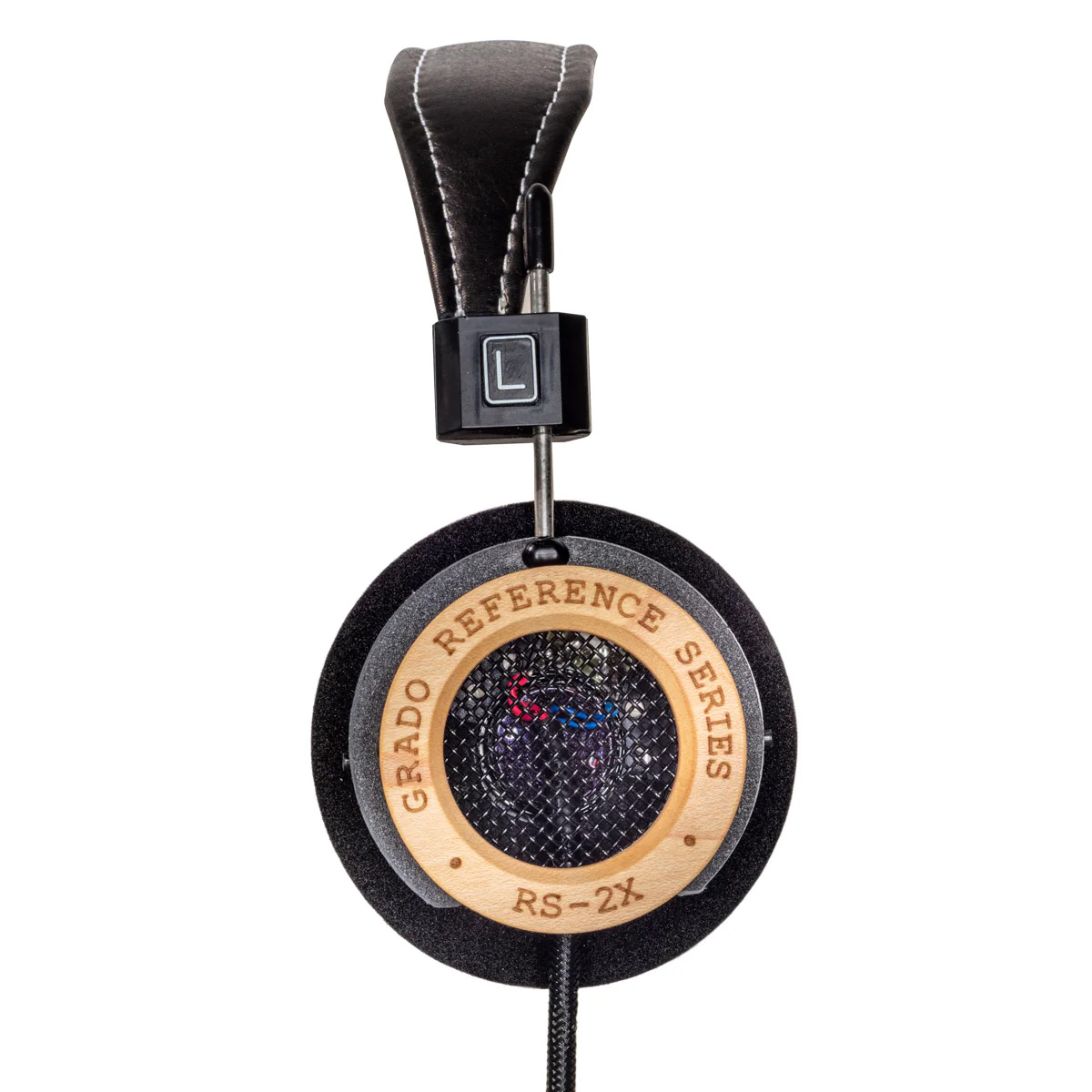
The Grado Reference RS-2x (often written RS2x) is a hand-built, open-air, on-ear headphone from Grado’s long-running Reference line. It pairs Grado’s famously direct, “in the room” presentation with a lightweight chassis and a distinctive maple + hemp bi-wood housing. The result is a headphone that feels both boutique and purposeful: simple, repairable, and made for music-first listening rather than feature checklists.
Why it’s a nice headphone
- Open-air immediacy: the RS-2x is designed to sound lively and engaging, with an open presentation that emphasizes clarity and presence.
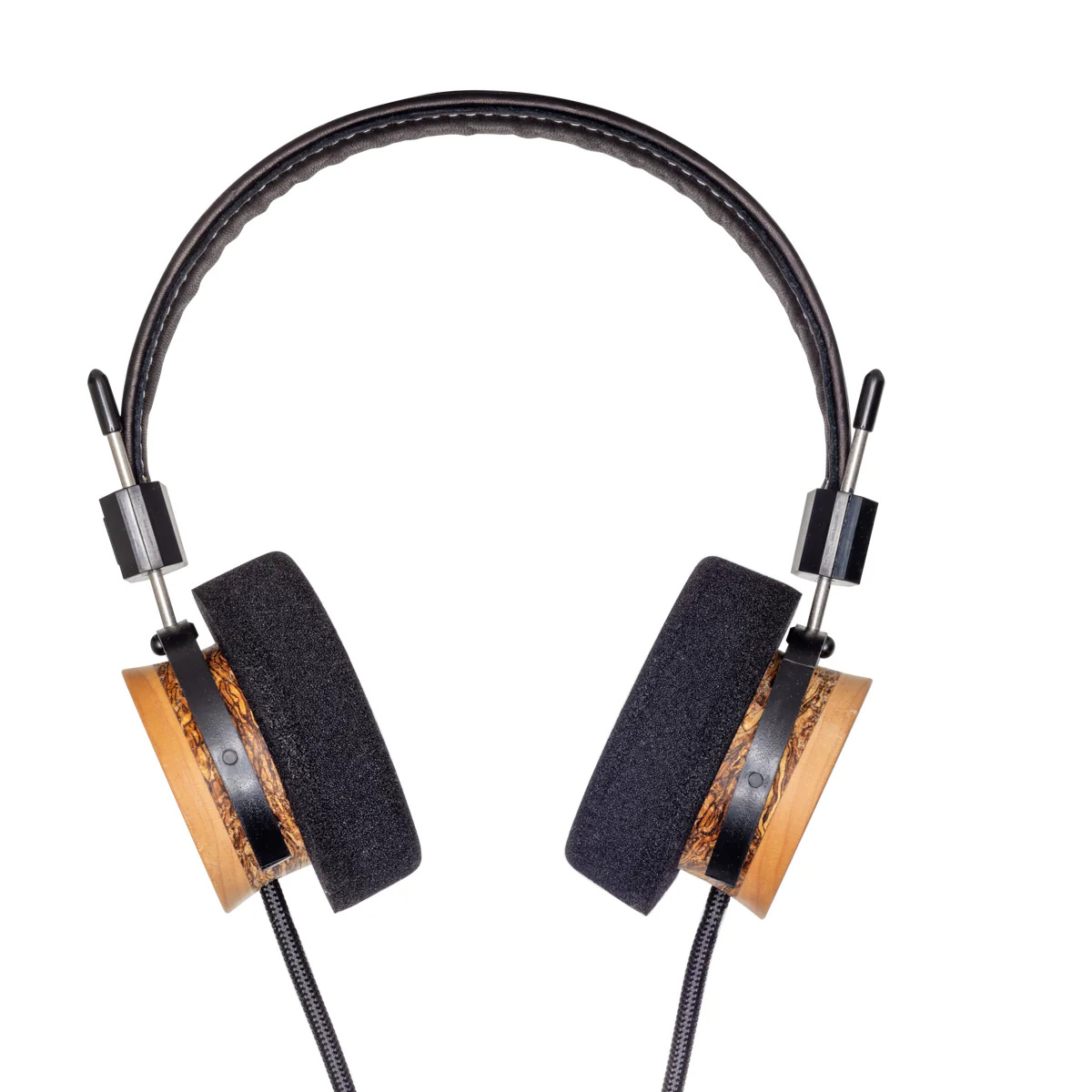
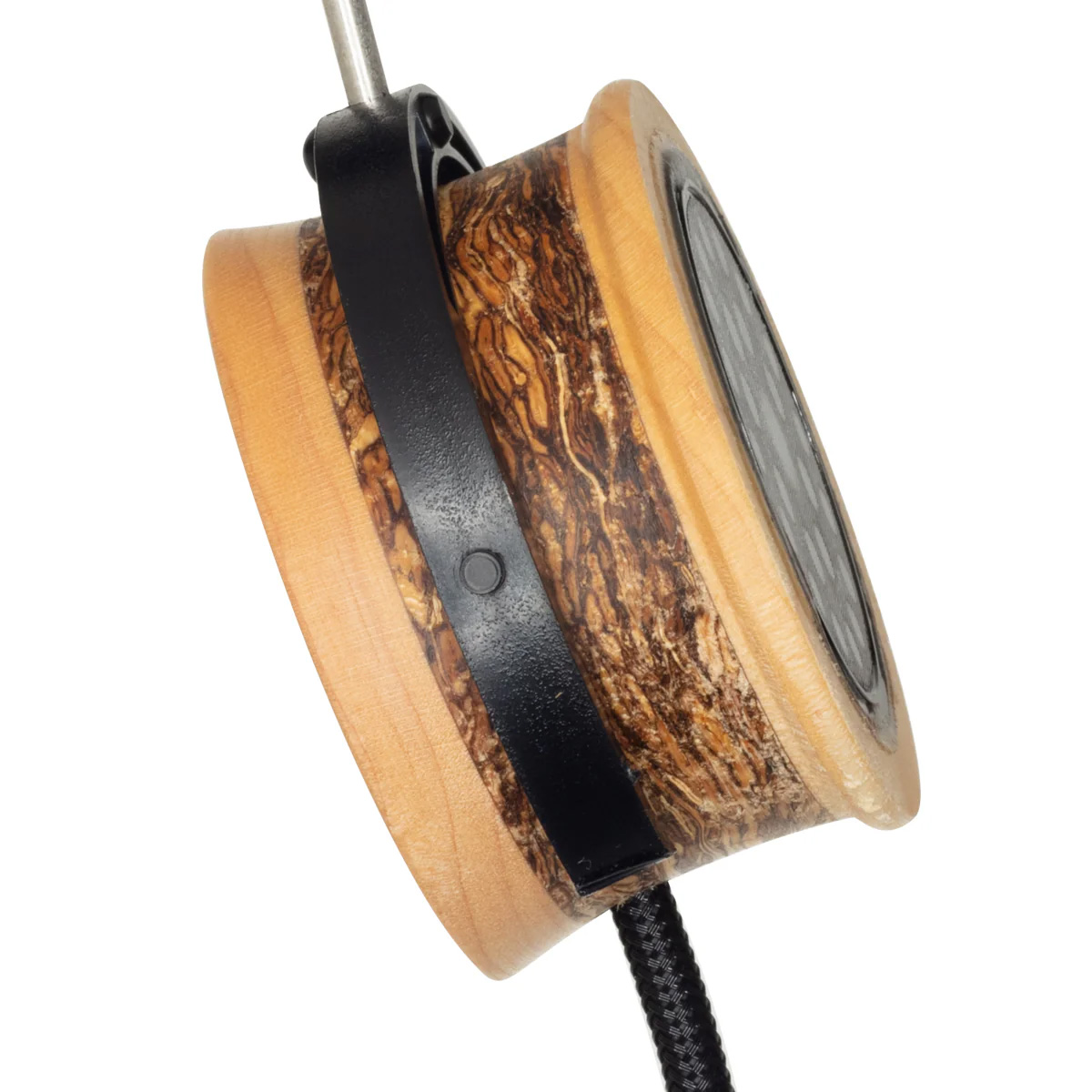
- Bi-wood housing (maple + hemp): Grado uses a maple sleeve/ring with a hemp core—part of its “sound of wood” philosophy and a big part of the RS-2x’s character.
- Carefully matched drivers: the drivers are matched extremely tightly for stable imaging and a coherent stereo picture.
- Easy to drive (for a hi-fi headphone): with a low nominal impedance and high sensitivity, it plays well from a wide range of gear—while still benefiting from a good desktop amp/DAC chain.
- Hand-assembled craftsmanship: it’s built in Brooklyn with the kind of small-workbench approach that makes Grado unique.
Historical significance
The RS-2x matters in the bigger headphone story because it sits at the crossroads of two Grado traditions: open-air, dynamic headphones and wood housings. Grado Labs has been producing audio products in Brooklyn since 1953, and the company’s wooden headphone identity traces back to the mid-1990s—Grado notes its first wooden headphones were built in 1994.
The RS-2x (announced in November 2021) also represents a modern refresh of the Reference Series, introducing the brand’s fourth-generation “X” driver platform into the RS line and updating materials and cabling while staying true to the minimalist, service-friendly Grado formula.
Main specifications
| Spec | Grado Reference RS-2x (RS2x) |
|---|---|
| Type | Wired, open-air (open-back), on-ear (supra-aural), dynamic |
| Driver | 44 mm “X” dynamic driver |
| Housing materials | Bi-wood: maple + hemp |
| Nominal impedance | 38 Ω |
| Sensitivity | 99.8 dB (SPL @ 1 mW) |
| Frequency response | 14 Hz – 28 kHz |
| Driver matching | 0.05 dB |
| Ear pads | Grado “L” cushions |
| Cable | Fixed, 8-conductor copper cable; 68" (approx. 1.7 m) |
| Plug / adapter | Straight 3.5 mm plug + 3.5 mm → 6.3 mm (¼") adapter |
| Optional termination (at purchase) | Factory option to terminate cable with XLR (model-dependent offering) |
| Weight | 10.25 oz (approx. 291 g) |
| Assembly | Hand-built in Brooklyn, New York |
Note: Like many Grado on-ear designs, comfort and tonal balance can change noticeably with pad wear and pad choice. Fresh “L” cushions (or alternative compatible pads) can be a worthwhile refresh over time.
Setup Recommendations
| Source Chain | Soundstage | Depth & Detail | Tonal Coloration | Best-Suited Genres |
|---|---|---|---|---|
| Thorens TD145 > Pioneer SA-8800 (vinyl) | Intimate | High detail, low depth | Bright, lean | Acoustic (warm recordings) |
| Lenco L78SE > Marantz 2245 > Cayin HA-1A MK2 (vinyl) | Moderate | Good detail with depth | Lively & warm | Rock, Jazz |
| Lenco L78SE > Marantz 2245 (headphone out) | Intimate | Fair detail | Slightly warm | Rock, Pop |
| Dual 721 > Pioneer SA-9500 (vinyl) | Intimate | Excellent detail, limited depth | Bright & thin | Dull masters (needs treble) |
| MacBook Pro > FiiO K11 DAC (Spotify Lossless) | Intimate | High detail, low depth | Bright | Vintage rock (dark masters) |
| MacBook Pro headphone jack (Spotify Lossless) | Narrow | Diminished detail | Flat | Casual listening |
| iPhone 15 Pro > FiiO KA11 dongle (Spotify Lossless) | Intimate | Good detail | Bright | Rock (mobile listening) |
More background on the recommendations for the Grado Reference RS-2X
The Grado RS2x is an open-back, on-ear headphone known for the classic Grado “house sound.” It features handmade wooden earcups (maple + hemp wood) and a 38 Ω, ~100 dB sensitivity driver – meaning it’s very easy to drive and sounds quite open and lively. The RS2x’s sonic profile is highly colored in a Grado way: “exciting, aggressive and focuses on a crunchy, forward mid-range with a forthright, crystalline treble.” It is lean in bass – frequencies below ~80 Hz roll off quickly, and there’s minimal mid-bass warmth – which creates a bright, analytical character. Essentially, the RS2x delivers sparkling highs and vivid mids, but light bass, yielding an energetic, on-stage kind of presentation. The soundstage, for a Grado, is actually wide and open (thanks to the bi-wood design and L-cush pads) – one reviewer noted a “believably-wide soundstage” and improved sense of space compared to older Grados. Still, compared to many over-ear headphones, the stage is more intimate (Grados tend to present music “in your face” rather than far out). The RS2x is extremely detailed in the mid and treble; it can reveal fine textures but also can sound piercing with bright material (violins/flutes can come across as too sharp, per some listeners). Genres that benefit from the RS2x’s profile include those with emphasis on vocals, guitars, and acoustic detail – users report it “works best with vocals, rock, jazz, golden-age rap, and unplugged recordings.”
Below we see how each source influences the RS2x:
TD145 > Pioneer SA-8800
Soundstage: Narrow & forward. The inherently close Grado staging is made even more “in-your-face,” reminiscent of Grado headphones” by this neutral-solid-state chain. Instruments are tightly grouped; the presentation is very forward (vocals feel like they’re in front of you). The analog source doesn’t expand it much.
Depth/Detail: Very high detail, low depth. This combo is extremely revealing – the AT VM95ML’s micro-line stylus extracts a lot of detail, and the RS2x’s bright, “crystalline” treble showcases it. You will hear every nuance in the mids and highs (e.g. guitar pick attacks, vocal breath) with analytical clarity. However, depth layering is minimal; the sound is flat-plane, which can feel aggressive.
Tonal Color: Brilliant but thin. The Pioneer + AT cart are a fairly neutral/bright source, and the RS2x is already light on bass. The result is very bright, treble-forward sound – cymbals and upper harmonics are extremely pronounced. Midrange (e.g. vocals, guitars) is extra crunchy and forward. Bass is tight but lacks body, as neither the headphone nor source add any warmth. This can be fatiguing, as “bright+bright” might exaggerate the Grado’s peaky treble.
Best Genres: Rock guitars, fast metal, detailed acoustic picking. This combo is ideal for electric guitar-focused music – e.g. classic rock or metal riffs cut through with amazing clarity (Grados are famous for making guitar “bite” nicely). It’s also interesting for analytical listening of acoustic strings, where every string pluck is clear. Caution: for bass-heavy or treble-hot recordings, this chain will be too harsh.
Lenco L78SE > Marantz 2245 > Cayin HA-1A Mk2
Soundstage: Wider & more holographic. Surprisingly, the tube chain helps open up the RS2x’s stage. Grados typically have limited stage, but the OTL tube amp adds some air and depth – you get a bit more sense of space around instruments. The Marantz’s phono stage also smooths imaging, making it less congested than chain 1.
Depth/Detail: Moderate detail, improved depth. Some raw detail is smoothed out by the warm chain (fine treble nuances are a tad less sharp), but depth and layering improve. You might find the RS2x less “hyper-detailed” but more natural – micro-detail is still good, just not spotlighted. The Cayin’s 33–64 Ω tap provides proper damping, and its tube character adds a slight 3D “roundness” to the sound.
Tonal Color: Warm(er) and smoother. This is a welcome tonal shift – the Marantz 2245 + Cayin impart “warm, embracing tonal abilities” that tame the RS2x’s aggressive treble. The result is the RS2x’s first truly warm-ish sound: the bass, while still not deep, gains a little more mid-bass body; the mids become a touch less shouty; the treble is softened (fewer piercing peaks). The Grado still leans bright overall, but now it’s “bright with warmth underneath.”
Best Genres: Jazz, blues, classic rock. The added warmth lets the RS2x handle jazz ensembles or blues nicely – trumpet and sax have more fullness, vocals are more euphonic. 60s/70s rock (which can be treble-heavy in mastering) becomes far more enjoyable – the combo of Grado energy with tube warmth yields a very musical experience for bands like The Beatles or Cream. Also great for acoustic singer-songwriters, where the tube smoothness c omplements the Grado detail (e.g. fingerstyle guitar comes through detailed but sweet).
Lenco L78SE > Marantz 2245 (headphone out)
Soundstage: Narrow, intimate. The Marantz headphone jack without the external tube still keeps things fairly intimate. It’s slightly less airy than chain 2; instruments sit close to you, though the Marantz’s inherent warmth may make it feel cozy rather than claustrophobic.
Depth/Detail: Medium detail, low depth. Detail retrieval is reduced compared to chain 1 – the 2245 adds a “warm, mid-forward” coloration that blunts the sharp edges of detail. Fine textures in treble are not as obvious (the “tube-like” sound smooths them). Depth remains limited (the RS2x’s forward nature and the receiver’s moderate imaging result in a mostly flat presentation).
Tonal Color: Very warm by Grado standards. This is an unusual place for a Grado: the Marantz makes the RS2x sound almost mellow. The bass and midrange are lifted (Marantz bass knob effect even without touching tone controls) and the treble is laid-back. The RS2x’s “forward upper midrange and treble” are now less front-and-center. This yields a pleasant, if slightly veiled, tonality – notes have more body, and sibilance is greatly reduced.
Best Genres: Oldies, mellow rock, lo-fi. This combo can make vintage recordings or lo-fi music sound fun. For example, early rock’n’roll or Motown (often mixed hot in the mids/highs) become more listenable while still benefiting from the Grado’s mid emphasis. Indie/lo-fi recordings that are thin can get a bit of needed warmth. However, you lose some of the Grado’s trademark excitement, so this may not satisfy those seeking that Grado “crunch.”
Dual 721 > Pioneer SA-9500
Soundstage: Moderate (for a Grado). The combination of the Shure V15 III cart’s excellent stereo imaging and the Pioneer’s clean output gives the RS2x a reasonably open presentation. It’s still fundamentally an on-ear Grado experience (so not huge), but it avoids the extreme in-your-head feeling of chain 1. Instrument separation is good, and soundstage is as wide as the RS2x can manage.
Depth/Detail: High detail, moderate depth. The Shure V15 III + JICO stylus is known for its balanced detail retrieval – not as bright as AT carts but very resolving. This matches the RS2x nicely, yielding tons of detail in the mids (textures, layering in recordings are apparent) without as much etch in the highs. The Pioneer amp provides ample drive and low noise, so the RS2x sounds fast and clean. Depth is average – some layering is present, better than chain 1 due to the Shure’s slightly laid-back treble, but not truly 3D.
Tonal Color: Balanced-bright. This is arguably the best tonal balance for the RS2x among the vinyl chains. The Shure brings in a bit more bass and a smoother top, complementing the Grado. So, the tonal result: still bright and forward, but with a touch more bass warmth and less shrillness. The Pioneer is neutral and doesn’t add warmth, but it also doesn’t emphasize treble – so the net is a more neutral midrange and slightly polite treble (for a Grado). Bass guitar lines and kick drums, while not strong, are more audible here than in chain 1.
Best Genres: Classical, prog rock, folk. With this more even tonality, the RS2x can tackle classical string ensembles or chamber music better – violins are still bright but not painful, and the detail helps you pick out instruments. Progressive rock (70s Genesis, Yes) also benefits: the complex layers are resolved and the slight bass presence helps with rhythm section. Folk and vocal-centric music sound detailed and immediate, with the midrange realism Grado is great at (female vocals are upfront and clear).
Spotify MacBook Pro > FiiO K11
Soundstage: Medium (surprisingly wide for Grado). The RS2x on a good DAC/amp like the K11 actually images quite well. Reviewers have noted the RS2x can have an “impossibly wide” stage for a Grado, and while that may be exaggeration, the K11’s clean stereo separation does give a decent sense of width. You’ll hear instruments panned L/R distinctly, though center images (like vocals) remain very forward.
Depth/Detail: Very high detail, low-medium depth. The K11 unleashes the RS2x’s resolving power. Digital lossless tracks come through with startling clarity – the RS2x delivers “high details, very fast” transients when well-amped. You’ll notice micro-details (fingers on fretboard, reverb tails) easily. However, depth is still relatively flat; the Grado projects sound forward rather than layering it.
Tonal Color: Bright and analytic (no analog smoothing). This is the RS2x at its purest: lean bass, bold mids, hot treble. The FiiO K11 is neutral, so unlike tubes, it won’t mellow the Grado’s top end. Expect a “treble and mid-heavy” signature with minimal low-end weight. This yields extreme clarity but can be edgy on certain tracks. If a song is recorded bright, the RS2x will show it – potentially too honestly (high hats and sibilants will be very pronounced). On the flip side, the low distortion of the chain means it never gets grainy – just very crisp.
Best Genres: Detailed monitoring, guitar solos, classic rock. This setup is like a microscope for mids/highs. Great for studio monitoring of vocals or guitars – you’ll catch any mix imperfections. For enjoyment, it’s fantastic on classic rock with lots of guitar solos or complex layering (the Grado will dissect Queen or Steely Dan tracks brilliantly). It’s also fun for older hip-hop (80s/90s rap) which didn’t have deep sub-bass – the RS2x’s emphasis on beats and rhymes (mid-range clarity) works well for that “golden age rap” vibe. Approach heavy EDM or bass-rich modern pop with caution here; they’ll sound thin.
Spotify MacBook Pro > MacBook jack
Soundstage: Narrow. The Mac’s built-in jack, while able to drive the efficient Grado loud enough, doesn’t have the refinement or channel separation of a dedicated DAC. The RS2x ends up sounding very centered and closed in. It’s a bit like listening in a small room – the expansive quality the RS2x can show on better gear diminishes.
Depth/Detail: Medium detail, low depth. The RS2x is sensitive, so it still sounds more detailed than many headphones even straight out of a laptop. You’ll hear clear vocals and guitars. But compared to an external DAC, fine details blur and the sound is less “fast.” The treble might also hiss or distort at high volumes due to the amp’s limitations. Depth is minimal – everything seems on one flat plane.
Tonal Color: Forward and slightly thin, but less controlled. The Mac jack has a higher output impedance than ideal (often around 10 Ω or more), but the Grado at 38 Ω isn’t extremely affected – there might be a touch of bass roll-off or looseness. Overall tonality remains bright and mid-forward, with the bass lacking impact. The treble might actually be a little less harsh than on the FiiO (the Mac’s weaker drive can act like gentle compression on extreme highs), but it also loses some clarity. The presentation can get a bit “shouty” and muffled at the same time, as one user described the SE-L40 – similarly here, the mid emphasis is there but true clarity isn’t.
Best Genres: Casual listening of mid-centric music. The Mac jack + Grado RS2x is fine for non-critical listening. It’s okay for rock or folk while working, where you enjoy the forward vocals and don’t mind the lessened bass. It also works for voice-centric content (podcasts, interviews) since speech intelligibility is great with the Grado mids. But for music enjoyment, one might find this combo lacking fullness and a bit fatiguing over time.
Spotify iPhone 15 Pro > FiiO KA11
Soundstage: Moderate (good imaging). The KA11 dongle significantly upgrades the iPhone output. With the RS2x, you get back that nice stereo imaging and even a bit of width. The RS2x sounds “open-air” by design (you can hear outside, and others hear you), so when properly driven, it can image well. Expect a reasonably spacious sound for an on-ear – not huge, but elements don’t all collapse to the center.
Depth/Detail: High detail, medium depth. Similar to the K11 desktop, the KA11 provides clean, ample drive. The RS2x reveals a lot of detail from the phone (now you’ll notice production details in Spotify tracks easily). Depth is limited by the headphone, but instrument separation is excellent. Fast transients, no problem – the combo is agile and resolving.
Tonal Color: Bright and lively. The KA11 likely has a flat frequency response and very low output impedance, so it pairs well with the Grado’s low impedance. There’s no bass boost or warmth added – so the RS2x sounds **true to itself: lean in bass, forward midrange, bright treble. The benefit over the raw phone jack is better control – bass, while light, is tighter; treble is crisp without as much distortion. You get the full Grado punch and sparkle on the go.
Best Genres: Rock, acoustic, live recordings on the move. This portable chain is fantastic for rock and punk on the go – the energy of the RS2x makes guitars and drums exciting even amidst city noise (just note others will hear your music from the open-backs!). Live recordings or jazz ensembles are engaging too, as the Grado’s open nature and detail can make you feel like you’re there. Essentially, any genre where you value clarity and immediacy over deep bass will shine. (For bass-heavy pop or EDM, this combo will sound thin – but for those genres the RS2x isn’t the first choice anyway.)