

Denon AH-D7200
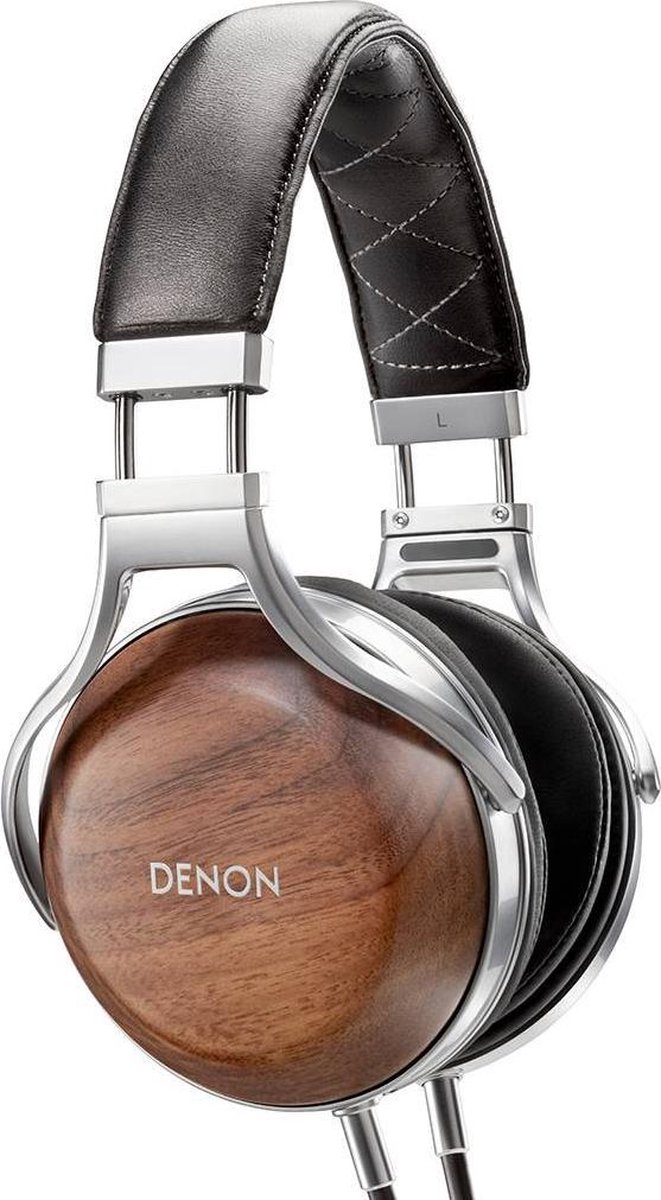
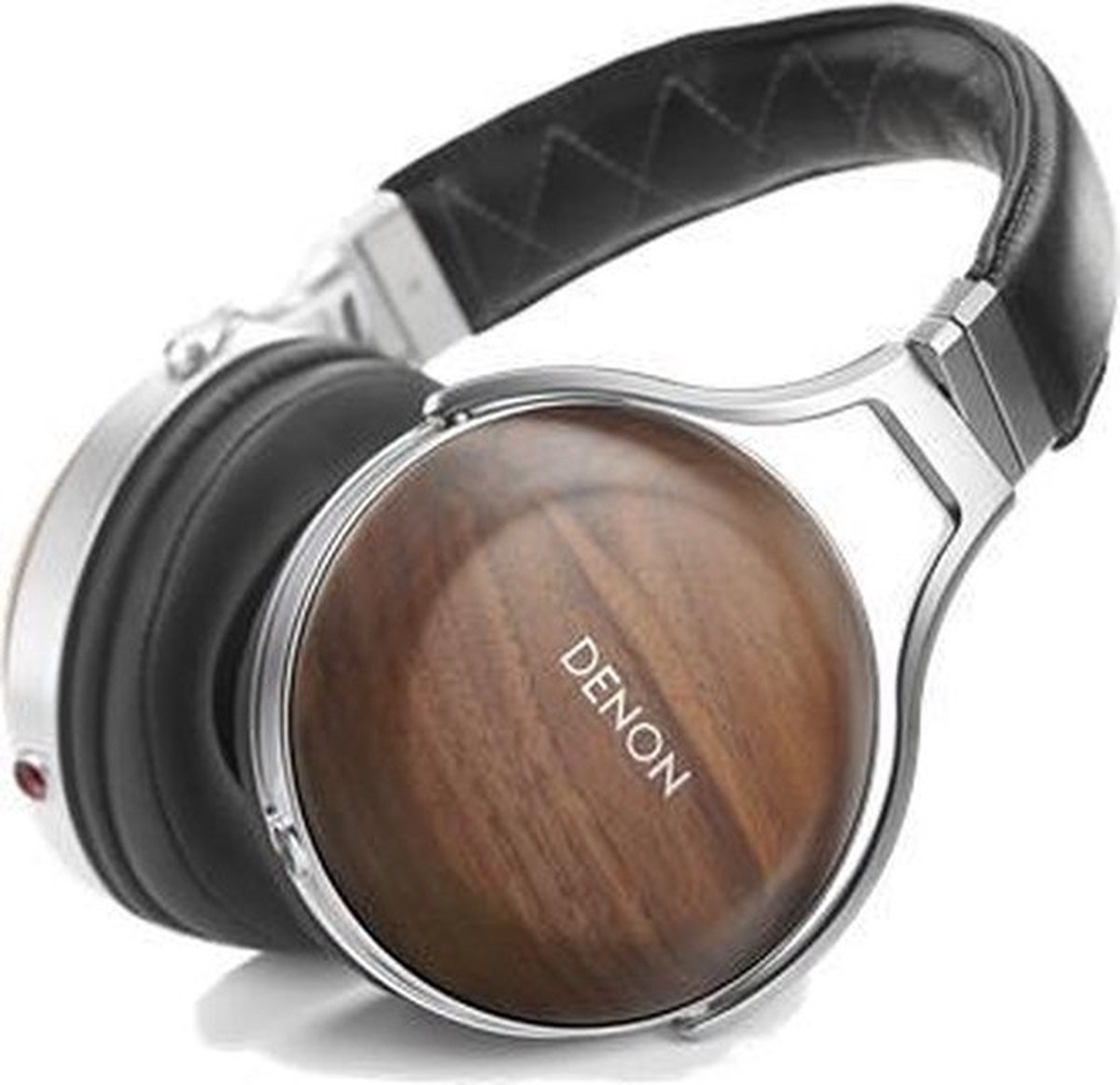
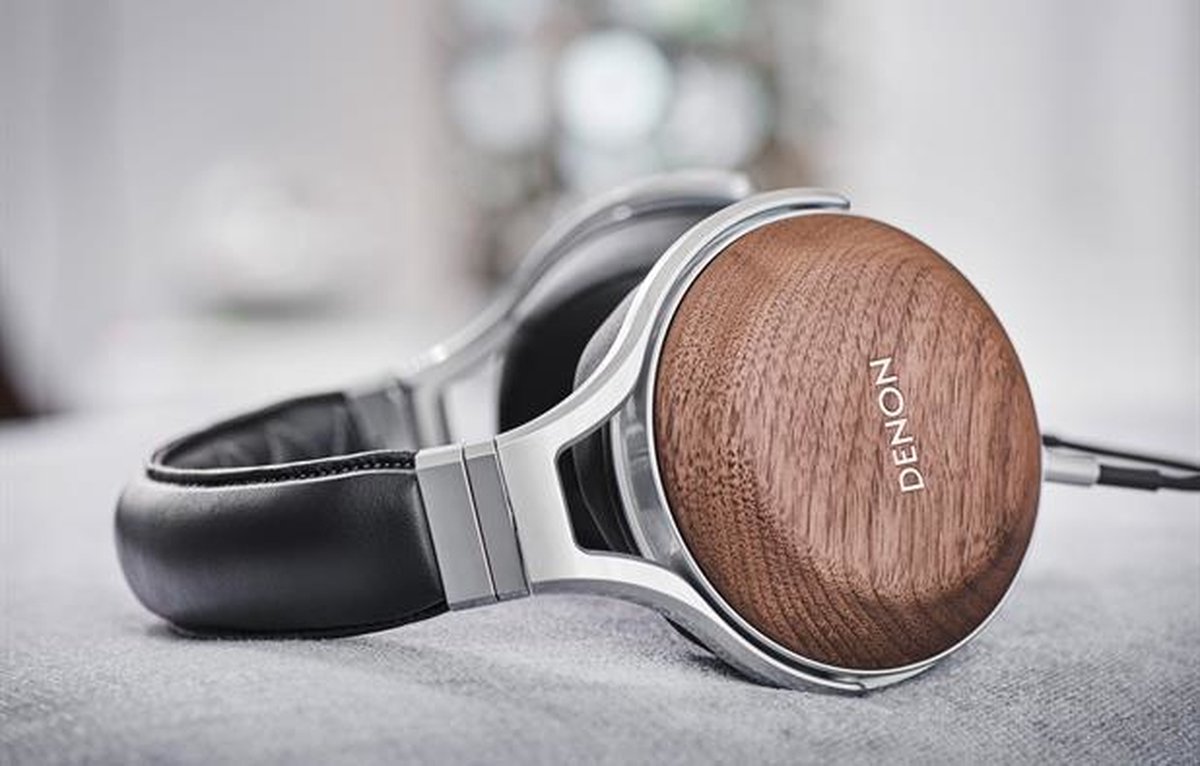
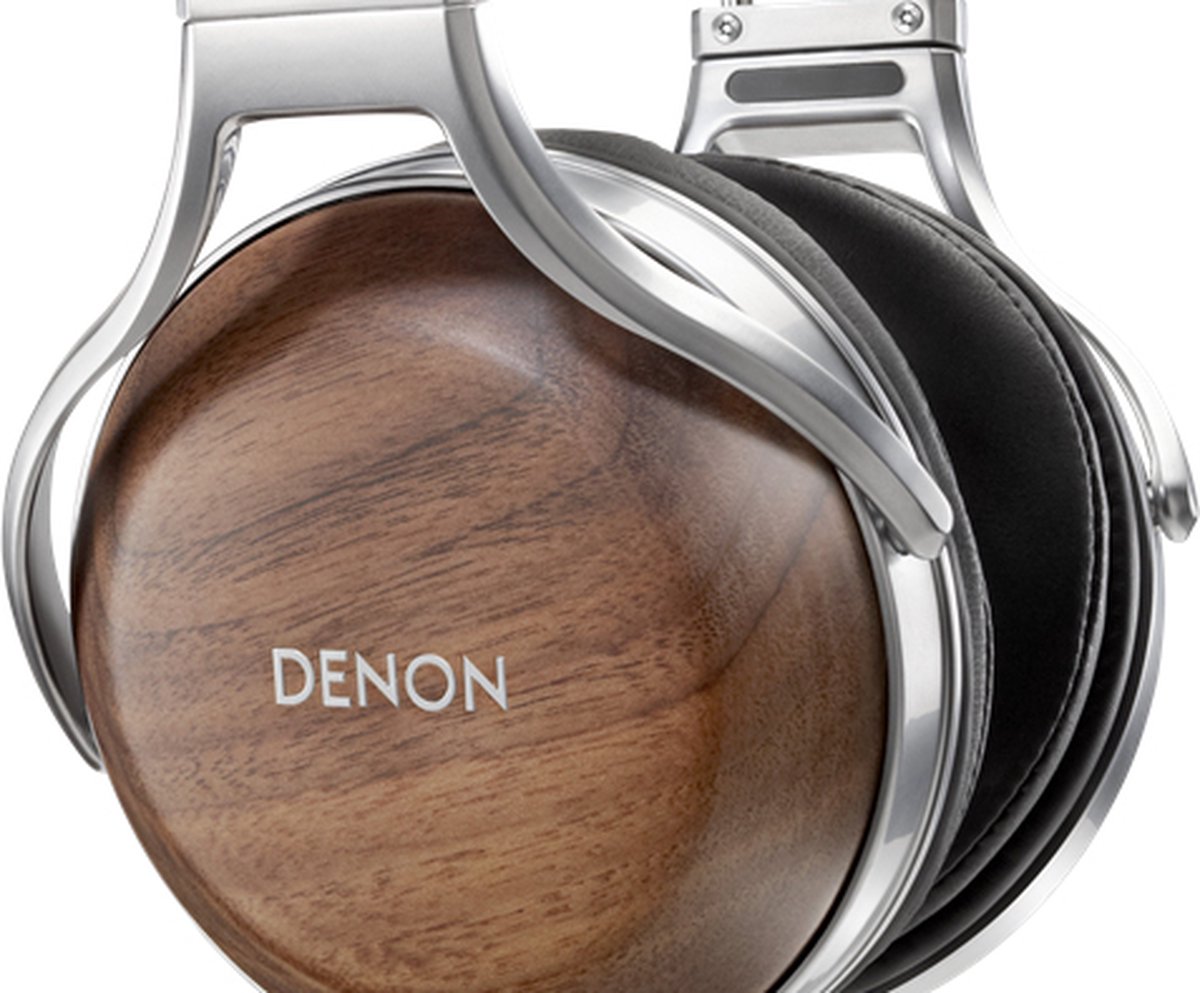
The Denon AH-D7200 is a modern “classic-luxury” closed-back headphone: beautifully finished,
tuned for musical enjoyment, and engineered like a serious hi-fi component rather than a gadget.
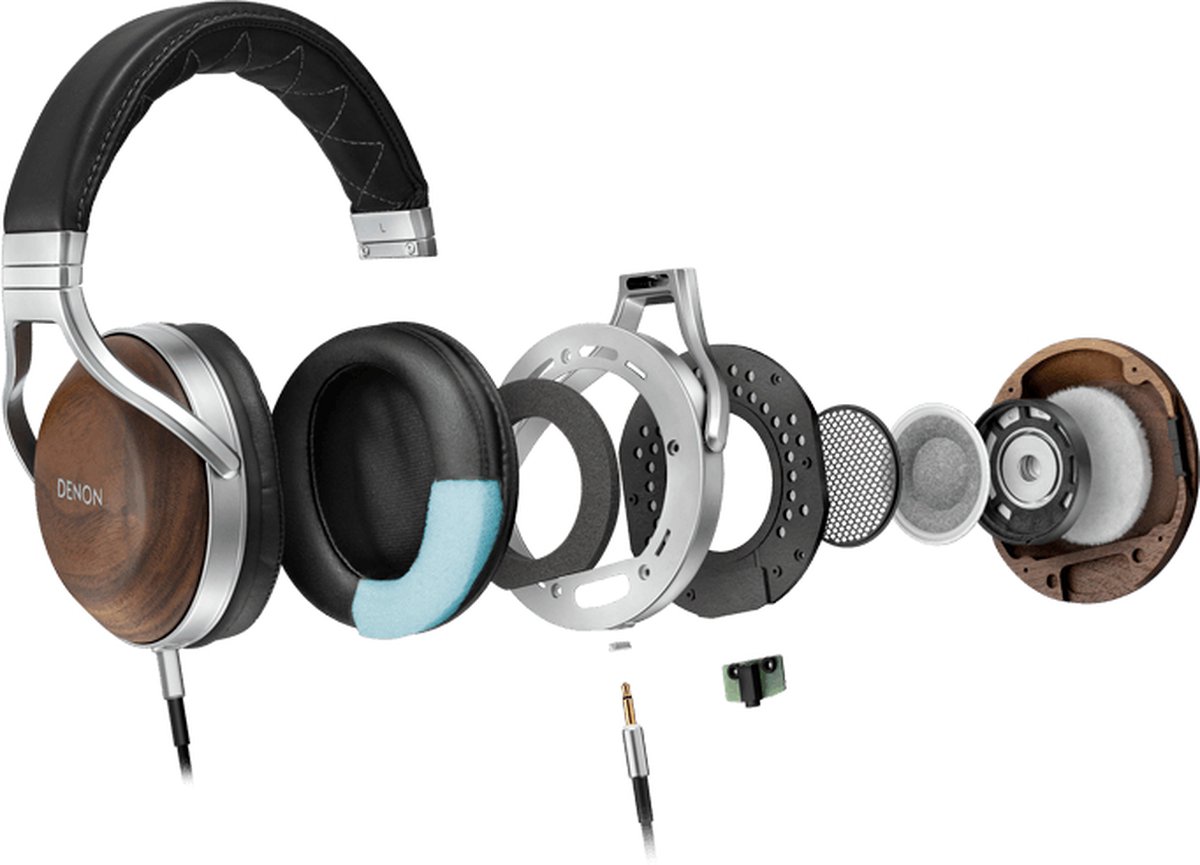
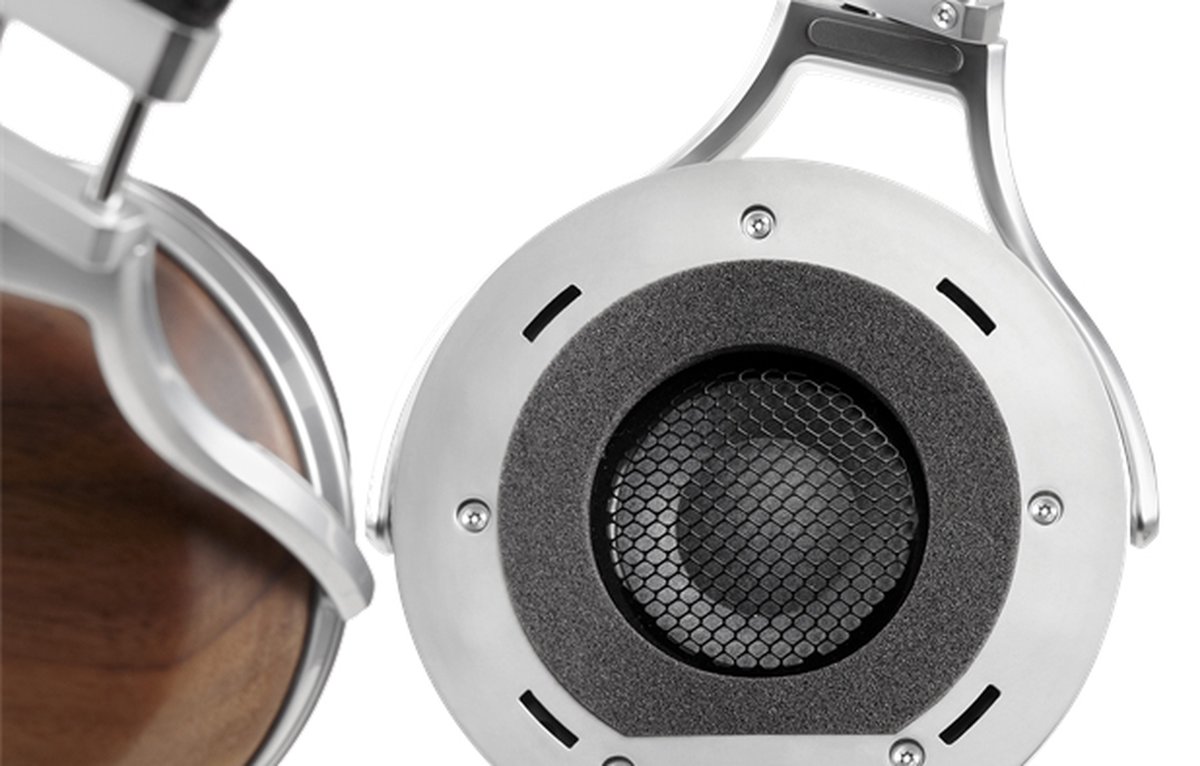
It combines Japanese-made FreeEdge drivers with real walnut earcups and a comfort-focused
suspension system, making it a strong choice for listeners who want a rich, detailed sound without giving up isolation
or premium build quality.
The AH-D7200 is significant because it marks Denon’s push into a new “reference” generation of premium headphones in the mid-2010s,
emphasizing modern driver engineering, hi-res-ready performance, and luxury materials in a closed-back design.
Denon positions it as a flagship-style model developed from decades of headphone experience, combining Japanese-made drivers with
careful mechanical design and comfort engineering.
In other words: it’s not a studio monitor clone and not a fashion headphone either—it’s Denon’s take on a high-end, closed-back,
home-listening reference that still works beautifully in real-world environments.
Note: The AH-D7200 is a closed-back design, so pad condition and fit can noticeably affect bass and tonal balance.
Fresh pads (or correctly seating the pads) can make a bigger difference than you’d expect.
Why it’s a nice headphone
Historical significance
Main specifications
Spec
Denon AH-D7200
Type
Wired, closed-back, over-ear (circumaural), dynamic
Driver
50 mm FreeEdge dynamic driver (nano-fibre/paper diaphragm + compliant “FreeEdge” surround)
Impedance
25 Ω
Sensitivity
105 dB / mW
Frequency response
5 Hz – 55,000 Hz
Maximum input power
1,800 mW
Weight
385 g (not including cable)
Earcups / materials
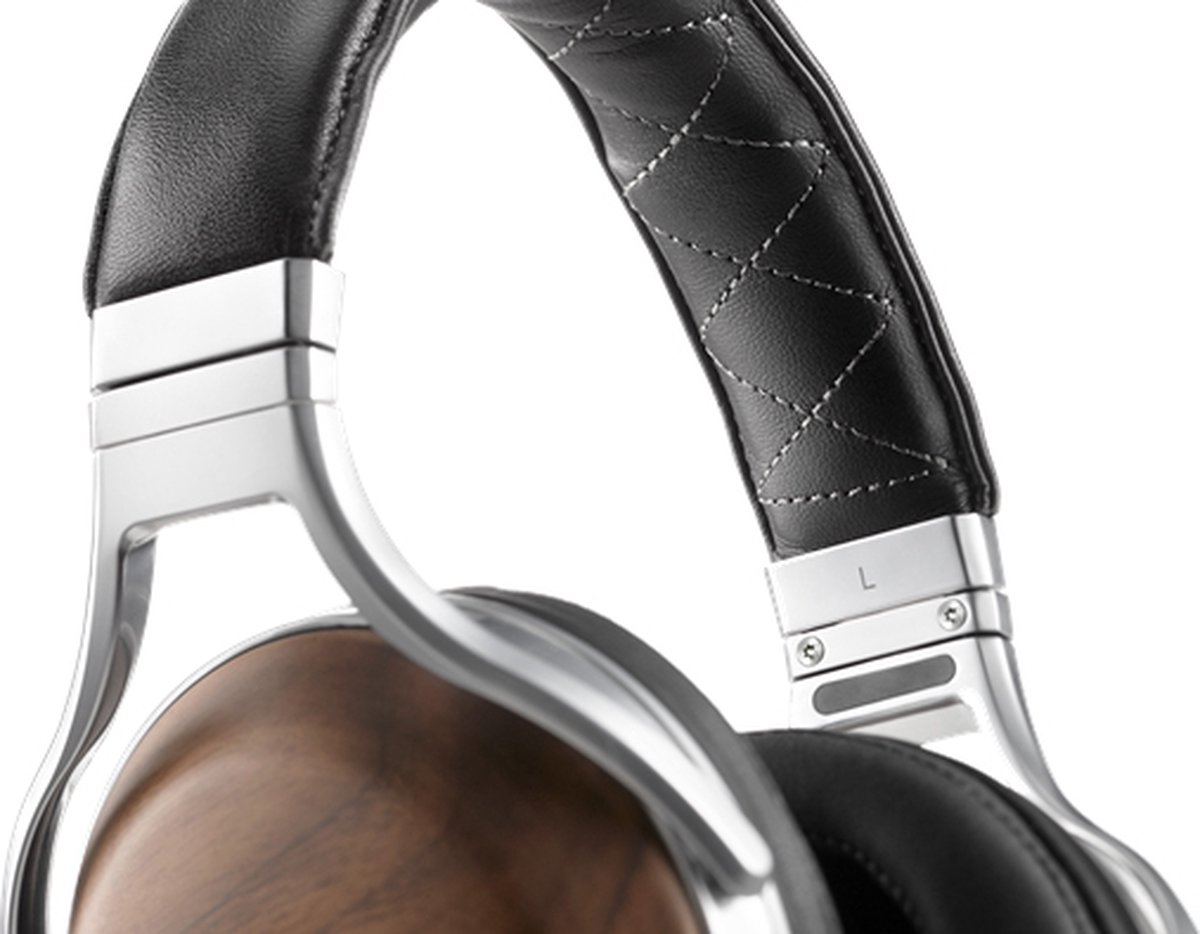
100% natural walnut earcups; sheepskin leather headband; memory-foam earpads
Cable
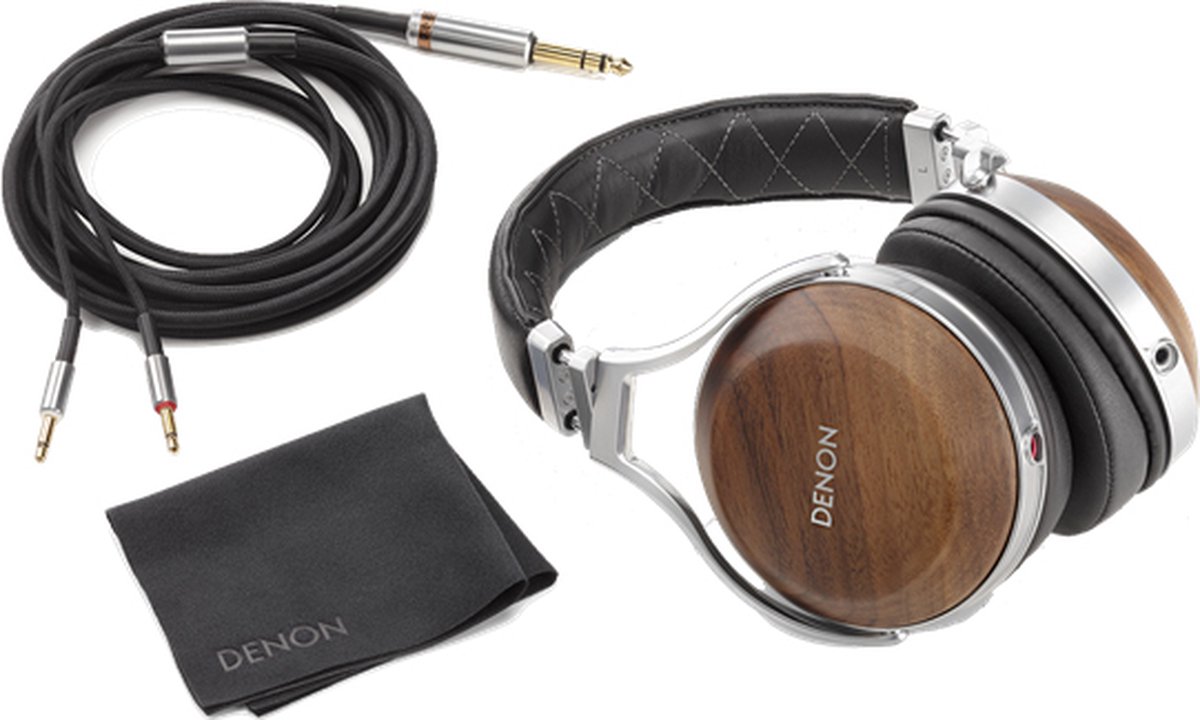
Detachable, 3.0 m high-purity copper cable
Connectors
6.3 mm (source end); dual 3.5 mm (headphone end)
Setup Recommendations
Source Chain
Soundstage
Depth & Detail
Tonal Coloration
Best-Suited Genres
Thorens TD145 > Pioneer SA-8800 (vinyl)
Moderate Good
Punchy (bass-emphasized)
Rock, Pop
Lenco L78SE > Marantz 2245 > Cayin HA-1A MK2 (vinyl)
Moderate
Layered depth, moderate detail
Warm & bass-heavy
Soul, R&B
Lenco L78SE > Marantz 2245 (headphone out)
Narrow Average
Warm, smooth
Pop, Easy Listening
Dual 721 > Pioneer SA-9500 (vinyl)
Moderate
Excellent control & detail
Full-bodied, controlled bass
Electronic, Hip-hop
MacBook Pro > FiiO K11 DAC (Spotify Lossless)
Moderate Good
V-shaped (bassy & bright)
EDM, Pop
MacBook Pro headphone jack (Spotify Lossless)
Narrow
Lacking clarity
Boomy
Casual bass-heavy music
iPhone 15 Pro > FiiO KA11 dongle (Spotify Lossless)
Moderate
Decent clarity
Bass-rich, lively
Modern genres (on-the-go)
More background on the recommendations for the Denon AH-D7200
The Denon AH-D7200 is a modern closed-back, over-ear headphone with 25 Ω impedance, known for its powerful bass and mellow, warm tonality. It features large bio-cellulose drivers in wooden earcups. Its signature can be summarized as “euphoric mid-range with really good bass… downward sloping from bass to upper spectrum.” In other words, bass is elevated (impactful and deep), while treble is relatively subdued, giving a warm, darkish tilt. Reviews praise its bass: “exceptional… rumble, sub-bass and superb depth”, with impact and slam, and note that it has a smooth, non-fatiguing treble. The midrange is rich and natural – instruments and vocals have full body (though some mention a bloated low-mid if not controlled). Soundstage is quite good “for non-trebly headphones, these have a terrific sense of space”– among closed-backs, the D7200’s stage is medium-wide, with precise imaging and layering. In fact, SoundStage reviewers found it reproduces spatial gradations and depth very clearly. However, absolute width is less than open headphones; some find the stage constrained horizontally but deep and accurate (MajorHifi: “imaging appears large, but elements feel close together… limited width… exceptionally layered and transparent imaging”). Overall, the D7200 is a luxuriously tuned headphone – “relatively mellow sound” with ample detail and a tonality some will love for its warmth. It excels with genres that benefit from solid bass and smooth highs (like jazz, R&B, classic rock).
Let’s see how it behaves with each source:
TD145 > Pioneer SA-8800
Soundstage: Medium. The D7200 on the Pioneer gets a decently open presentation. The VM95ML’s detail and the Pioneer’s strong output allow the Denon’s innate imaging to shine – you’ll hear layering (e.g. vocals front, drums back). The width is okay, not huge; closed cups prevent it from going very wide.
Depth/Detail: High depth, high detail. The analog rig feeds the D7200 with rich detail – subtle analog nuances come through and the Denon’s midrange clarity presents them without edge (the D7200 delivers “ample detail in mids and treble without unnaturally emphasizing anything”). Depth is excellent: you can easily discern intimate sounds versus distant ones. The Pioneer has plenty of power, but note: the D7200 is 25 Ω and the SA-8800 likely has a high headphone output impedance (~330 Ω resistor). This mismatch can over-emphasize bass and loosen control. The D7200 already has big bass, so while detail is great, the bass might get a bit boomy here.
Tonal Color: Very warm, bass-heavy. The AT cart leans neutral, but the high output impedance of the Pioneer likely bumps the Denon’s low-end further (damping factor <1, causing resonance bloom). Expect “turgidly bass-heavy” output if uncontrolled– the D7200’s mid-bass slam might become even more dominant. Mids remain lush (but could veil slightly behind bass), highs stay smooth. Essentially an exaggerated version of the D7200’s stock tuning: massive bass, rich mids, polite treble.
Best Genres: Electronic, reggae, cinematic soundtracks. If you want chest-thumping bass, this combo delivers. Dub/reggae or EDM will sound huge – sub-bass lines roar (though possibly at expense of clarity). The warmth also flatters movies or game soundtracks with big low-frequency effects. Not ideal for already bassy mixes (could be overwhelming), but fantastic for bass enthusiasts on analog.
L78SE > Marantz 2245 > Cayin HA-1A Mk2
Soundstage: Wide and immersive. The tube amp really helps the D7200’s staging. Users often say the D7200 already presents a clear depth; add tubes and you get an even more holographic feel. The Marantz’s warmth and Cayin’s tube spread likely give one of the widest, most out-of-head experiences the closed D7200 can offer.
Depth/Detail: High depth, medium-high detail. Depth is outstanding – instruments have air around them, layering is very 3D (tubes often impart a spacious depth). Detail is slightly softened by the tube warmth, but still strong – the D7200’s mids remain detailed, just smoother. The Cayin’s output impedance is matched (8–32 Ω tap), so unlike chain 1, the bass is controlled even with all that warmth. Micro-details like reverbs and venue ambiance in recordings might be more apparent due to the enhanced depth perspective.
Tonal Color: Very warm, lush, and smooth. This chain doubles down on the D7200’s mellow tuning: bass is big and deep (the Marantz likely adds a bit of bloom, but Cayin keeps it tight enough), mids become extremely rich (think golden-hued vocals), and treble becomes silky and sweet. The D7200 already has a “relatively mellow sound” – here it becomes positively tube-like in sweetness. It might be too smooth for those who want any sparkle; “dark” would describe it, though not muddy thanks to decent control.
Best Genres: Jazz, soul, 70s rock, vocal-centric. This lush synergy is perfect for jazz – bass and piano are full-bodied, horns are velvety, cymbals subdued. Soul and R&B tracks benefit from deep bass and sweet vocals (modern R&B, e.g. female vocals with deep beats, will sound thick and seductive). 70s rock (e.g. warm analog recordings like Fleetwood Mac’s “Rumours”) will be incredibly smooth and musical, with zero listener fatigue. Also, vocals (think Norah Jones or Sinatra) are intimate and luxuriant. This combo is all about enjoyment and euphony over raw accuracy.
L78SE > Marantz 2245 (headphone out)
Soundstage: Medium. Without the Cayin, the stage shrinks a bit. The Marantz jack still gives a slightly out-of-head feel (vintage receivers had decent crossfeed naturally), but it’s not as expansive. It’s comparable to chain 1 now, maybe slightly less precise imaging.
Depth/Detail: Medium depth, medium detail. The detail is a bit lower than chain 1 (Marantz isn’t as crisp as Pioneer), and the depth is lower than chain 2 (no tube magic). It’s a cozy, somewhat “thick” sound – small details can get masked by the warm mid-bass and lower mids. The Marantz drives 25 Ω not ideally (220 Ω output vs 25 Ω headphone could yield loose bass and some noise hiss). So dynamics might feel blunted. Still, the core of the D7200’s performance (good resolution in mids) is present, just wrapped in a warm blanket.
Tonal Color: Warm, bassy, forgiving. This is similar to chain 2 in tonality, just less refined. Bass is very strong (perhaps a touch boomy due to impedance mismatch), mids are smooth and a bit recessed/sucked-out by the heavy bass, treble is very laid-back. The sound could be described as “dark and boxy” if the mid-bass hump intrudes too much (JGH’s terms for a poor headphone – and here we risk that if bass isn’t tight). But for easy listening, it’s engaging and non-fatiguing.
Best Genres: Bass-heavy music at moderate volume. This combo will please for hip-hop, dub, trap beats where you want hefty bass but aren’t chasing the utmost clarity. Also, classic vinyl with inherent brightness – e.g. some 80s pop – will be toned down nicely. If you’re spinning a hot-mastered record, this chain’s forgiving nature tames it. It’s not ideal for music that demands precision (fast metal or complex orchestral – details might get lost).
Dual 721 > Pioneer SA-9500
Soundstage: Medium-wide. The SA-9500 is powerful and likely has a slightly lower output impedance than the SA-8800 (though still high). With the Shure V15 III’s excellent imaging, the D7200 gets a pretty nice stage. Closed-back limits aside, it should sound spacious – the SoundStage review noted the D7200 could portray distant drums clearly, and here that ability is maintained.
Depth/Detail: High detail, medium depth. The Shure cart is detailed yet smooth – a great match. The D7200’s treble being soft means the Shure’s gentle top end still yields sufficient detail without harshness. We likely get precise instrument separation and clear transients (MajorHifi found the D7200 “accuracy is hard to contest” and “transparent imaging”). Depth is decent: better than chain 3 (Pioneer is more transparent than Marantz), though not as holographic as chain 2.
Tonal Color: Warm-neutral, controlled. The Shure’s warmish-neutral output and the Pioneer’s neutral amp result in a very balanced take on the D7200. Bass is still prominent (the headphone’s nature), but the Shure doesn’t hype mid-bass and the Pioneer keeps tight grip, so it’s impactful yet controlled. Mids are rich but clear – likely the best mid clarity among these analog chains. Treble is smooth but with a hint more presence (the Shure/JICO has a bit more upper treble than the AT or pure Marantz chain, which helps give some air). Overall, this might be the ideal synergy: it preserves the D7200’s “smooth, non-sibilant tone” while tightening up its bass and leaving mids natural.
Best Genres: All-rounder (jazz, rock, orchestral, acoustic). With this synergy, the D7200 can tackle a broad range. Jazz: upright bass is deep but articulate, brass is buttery smooth, and soundstage allows room cues. Classic rock: gets that meaty bass and full mids (great for kick drum punch and vocal weight) without losing guitar detail – the Denon’s mellow treble actually complements older rock recordings, avoiding harshness. Orchestral music benefits from the Denon’s natural timbre – strings sound full, and though highs aren’t super sparkly, the presentation is very listenable and dramatic (the sub-bass gives weight to cellos/basses and hall ambiance). This chain shows the D7200 at its most balanced and high-fidelity.
Spotify MacBook Pro > FiiO K11
Soundstage: Medium. The D7200 on a proper DAC/amp yields a respectable closed-back stage. The K11’s neutrality doesn’t expand stage per se, but its clean output means you hear the D7200’s inherent layering well. Possibly a tad narrower than the analog chain with Shure (since no crossfeed or analog bloom), but still more spacious than typical closed cans (the D7200’s soundstage was compared favorably to open headphones like HiFiMan Ananda’s depth, albeit narrower width).
Depth/Detail: Very high detail, high depth. The K11 gives the D7200 a transparent signal, and the D7200 returns the favor with excellent detail retrieval in mids/treble (without exaggeration). Reviewers said “I could clearly hear characteristics of the reverb on the sax” with D7200 – that level of detail is fully present here. The bass remains strong and controlled (the K11 can output high current into 25 Ω easily). Depth imaging is strong – the D7200 can convey intimate vs distant elements precisely when fed a clean source.
Tonal Color: Neutral-warm (reference level). This is the D7200 in its intended form: a balanced but warm headphone. Bass is deep and quick – “quick and impactful… forward mid-bass slams hard”, yet the sub-bass isn’t over-boosted artificially (it’s present but in line). Mids are smooth and organic (male vocals sound full, female vocals warm). Treble is smooth and non-fatiguing yet detailed – you hear the treble details but they never get sharp. The overall tonal balance is like listening on high-end speakers that have a slight bass emphasis: very pleasing and easy to listen to.
Best Genres: Hi-fi audiophile genres – jazz, acoustic, classic rock, fusion. This chain is great for those Chesky or Blue Note recordings where you want to hear everything in a musical way. Jazz is phenomenal (the D7200 was noted to strike a just-right balance for jazz, making it lively yet smooth). Acoustic music (folk, singer-songwriter) shines – guitars have body, vocals have intimacy, no sibilance. 70s–80s rock/pop are also well-served: the Denon’s bass gives life to kick drums and basslines, while its gentle treble tames any overly bright production. Essentially, any genre except maybe ultra-analytic classical (where one might want more treble air) or extreme bass-head EDM (where one might want even more V-shape) will sound excellent on this neutral chain.
Spotify MacBook Pro > MacBook jack
Soundstage: Medium-Narrow. The Mac jack can drive the D7200 moderately (the D7200 is fairly efficient at 105 dB/mW), but it might not fully realize its staging. Likely a somewhat collapsed stage – music sounds more closed-in and less layered. Still, the D7200’s inherent cup acoustics might keep some sense of space – just less refined imaging.
Depth/Detail: Lower detail, lower dynamics. The D7200 will play loud on a Mac, but sound quality suffers. Bass control in particular might degrade – the Mac’s output impedance could be a few ohms, which with a 25 Ω headphone can slightly alter damping. Bass might get boomier or slower. Detail retrieval drops: the fine transparency and resolution diminish (complex passages may smear a bit, subtle details in the treble could vanish). The overall sound might feel “veiled” compared to on a good DAC.
Tonal Color: Very warm, somewhat muddy. The D7200’s forgiving nature means it won’t get harsh, but on the Mac jack it could become too mellow. Bass could overwhelm at times (if the Mac struggles to control that big driver, notes can linger). Mids might become “boxy” or congested if bass bleed increases (like how the Koss Pro4AAA sounded heavy and dull). Treble will definitely be soft – potentially to the point of dullness – removing the engaging top-end details. So the tonal result is a thick, warm sound with less clarity.
Best Genres: Background listening, bassy music where fidelity isn’t critical. If you just want some lo-fi beats or background chill music, this will provide a warm cushion of sound. It’s also not bad for action movies or games casually – you’ll get powerful bass effects even from the Mac, though fine positional cues might suffer. In music, genres like boom-bap hip hop or dubstep will still have satisfying bass impact (the Mac can supply enough for a thump, even if a bit sloppy). But any nuanced music (classical, fine jazz, acoustic) will lose too much detail and balance to be enjoyable here – those deserve an external DAC for the D7200.
Spotify iPhone 15 Pro > FiiO KA11
Soundstage: Medium. Similar to chain 5, the KA11 provides a clean drive to the D7200. The stage is as good as it gets for closed headphones on a portable – not huge, but nicely out-of-head with accurate imaging. You can enjoy a convincing stereo field for on-the-go use.
Depth/Detail: High detail, medium-high depth. The KA11 can output up to ~2 V (assuming similar to other FiiO dongles), which is plenty for 25 Ω. Thus, the D7200 can perform at near-desktop levels: fine details in the music are present, and the depth of field is rendered clearly (maybe slightly less than with a desktop DAC due to possibly a bit lower power headroom, but not by much). In short, you get the “resolving, layered” D7200 sound on your phone – you’ll pick up nuances in tracks you wouldn’t via the phone alone.
Tonal Color: Warm, refined. The KA11 is likely neutral, so the D7200 sounds like itself: rich bass, smooth mids, gentle highs. There might be a very slight lean-out compared to a super powerful desktop, but likely not noticeable – if anything, some have found the D7200 to remain consistent across sources (except for volume). So expect punchy mid-bass (the Denon’s “slam” is intact), warmly rendered vocals, and non-fatiguing treble. If the KA11 has a hair less drive than the K11, maybe the extreme sub-bass is a tad less, but the core signature remains: “balanced but with some extended bass” and a relaxed top.
Best Genres: Mobile hi-fi for bassy and smooth tunes. This is a fantastic portable setup for modern genres: modern electronic R&B, hip-hop, pop all benefit from the D7200’s deep bass and smooth treble (you can listen loud without harshness, and bass drops hit satisfyingly). Also wonderful for portable jazz or blues – you can enjoy a high-end listening session in a coffee shop with rich bass lines and silky saxophones. If you have high-quality lossless on Spotify, this chain really lets the D7200 shine outside of a home setting. Essentially, it’s a bring-anywhere system that retains that “engaging, ambient” D7200 sound with “exciting transparency and detail” (to borrow a phrase originally about the LCD-3, but aptly fitting how the D7200 feels when well-driven: exciting yet not fatiguing).